Who Teaches Us Nutrition?
By Bruce Henderson
Did you ever take a nutrition course in school? Did your school even offer one? Would you take one in college, unless you intended to become a dietitian? Unlikely! So who teaches most of us about what to eat? By default, advertisers. MacDonald’s alone spent $1.5 billion on advertising in the U. S. in 2018. Now think about all the ads for all the other ‘junk’ foods you are exposed to. Overall, food companies spend about $150 billion per year to persuade us to buy their products. In contrast, the U. S. Dept. of Health and Human Services spends about $200 million per year, a fraction of what just MacDonald’s spends.
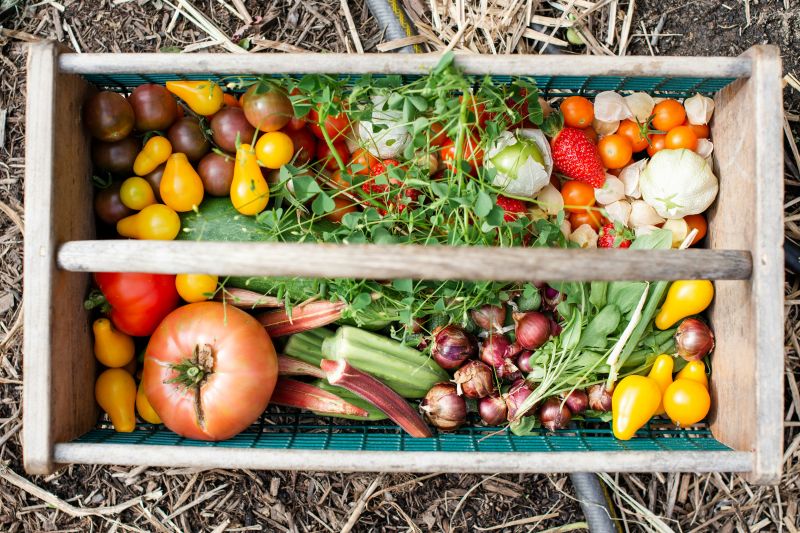
Have you ever seen an ad for fresh carrots? For apples? How about broccoli? No one needs to advertise those items since we already know they are healthy. But if you want people to buy Doritos, cheeseburgers, or SunnyD you have to spend enough to persuade them, against their better instincts, that those items ARE food, and that they are, at the very least, safe to eat. All of those favorites are processed foods (‘value-added,’ in the lingo of the food industry), unlike fruits and vegetables. There are apple trees, there are broccoli plants, but there is no Dorito bush.
Many people do not realize that advertising takes other forms besides hawking the latest Burger King special. Trade organizations like the National Beef Council (“Beef! It’s what’s for dinner!”) and the National Dairy Council try to persuade us to consume as much of their products as they can. As a result, Americans nearly doubled their consumption of dairy products over the course of the 20th century, whether or not such a huge increase is a good idea health-wise.
Similarly, a ‘meat culture’ propagates ideas such as that it is manly to eat large chunks of meat, even though mainstream dieticians warn that more than 4 ounces daily (the size of a pack of playing cards) can lead to all sorts of problems. Where I live on the California Central Coast, the culture is all about barbeque. There is “Santa Maria style” BBQ, and at the weekly San Luis Obispo farmers market, people line up for blocks to buy meat roasted on grills the size of mattresses. On Pismo Beach Main Street a BBQ eatery boasts a sign of a large pink pig above the entry door.
All this feeds into a logical fallacy which a lot of us unfortunately fall for: that if a lot of people are doing something, it must be good to do. Since lots of folks eat meat, how can it be that bad for you? Here’s how. Cattle-grazing occupies 24% of the land on our planet, land that could feed many more people if given to crops. 41% of U. S. land (excluding Alaska) is grazed by cattle. 75% of grain produced in the U. S. is fed to livestock, and half the water consumed in the U. S. is used to grow that grain. To supply our endless demand for burgers and steaks, meat companies resort to the feedlot system, where cows stand in their own manure closely packed together to fatten up as soon as possible. To that end, they are given antibiotics and growth hormones. Antibiotic residues in the meat alter our immune systems. The hormones have been linked to lower sperm-count in boys and early menstruation for girls, as well as to breast, prostate, and colon cancer.
Cattle are given nitrites to artificially color their meat. Even more nitrites are used to cure processed meats such as bacon, ham, lunch meats, and hot dogs. The manure the cattle stand in becomes impossible to clean off their hides, and so contaminates the meat as the animals are rendered, resulting in e coli contamination, so that raw meat and poultry are considered biohazards by the United States Department of Agriculture. Suffice it to say that dairy products present parallel problems, yet dairy gets a kind of free pass in terms of how safe its products are considered to be by the general public.
So we pride ourselves on rational thinking, consider ourselves to be well-informed, and see ourselves as caring about our planet, but we may not be as enlightened as we think when it comes to nutrition. Yet you should not feel overly guilty or self-conscious about eating meat or ice cream, cheese and milk. Remember, that’s what you’ve been taught relentlessly by the meat and dairy industries and their corporate minions. You are victims of propaganda. Doubt it? One of the most astonishing marketing achievements in history happened right before our eyes. People were easily persuaded to stop drinking virtually free tap water, generally safe in the U. S., and to instead pay the equivalent of the price of gasoline to drink ‘filtered’ water out of toxic plastic bottles, which Americans throw away 35 billion of every year to pollute our environment.
Who’d a thunk it?
Bruce Henderson, Grover Beach, CA
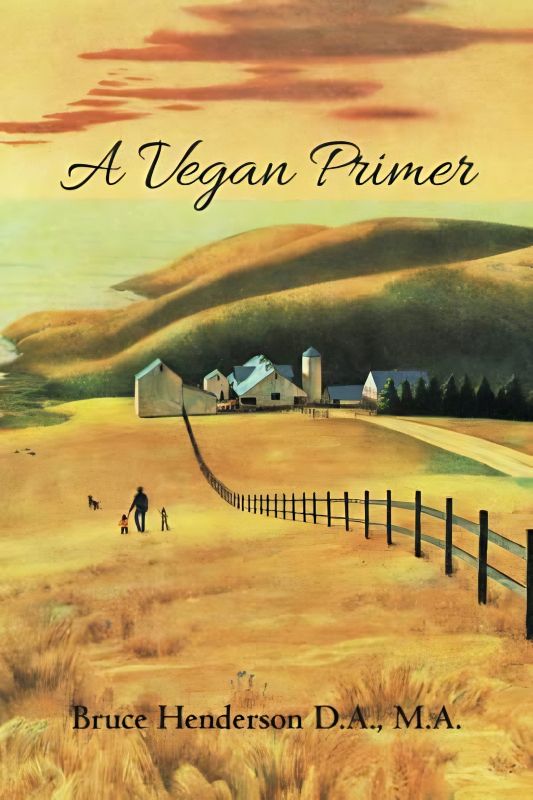
Many statistics above are taken from the book A Vegan Primer by Bruce Henderson, available from Lulu Publishers.
Read more by Bruce Henderson
Have a letter or a commentary to share? The team at the San Lorenzo Valley Post welcomes your Santa Cruz Mountains news, story ideas, photos, and letters. Send us an email.
Sign up for our newsletter to stay connected to news and events in the Santa Cruz Mountains.

The San Lorenzo Valley Post is your essential guide to life in the Santa Cruz Mountains. We're dedicated to delivering the latest news, events, and stories that matter to our community. From local government to schools, from environmental issues to the arts, we're committed to providing comprehensive and unbiased coverage. We believe in the power of community journalism and strive to be a platform for diverse voices.