Taming Winter Rains in the Santa Cruz Mountains Garden
Managing Drainage and Erosion in Your SLV Garden
By Marielle Martin
February in the San Lorenzo Valley means we’re in the thick of rainy season, and while our gardens desperately need this water, too much of a good thing can create problems. Between our steep hillsides and clay-heavy soils, many SLV gardeners are dealing with soggy spots, eroded slopes, and runoff that’s carrying away precious topsoil. The good news? There are plenty of practical solutions that work with our unique terrain.
Understanding Your Water Flow
The first step is observation. During the next good rain, grab an umbrella and walk your property. Where does water collect? Where does it rush downhill? These patterns tell you where you need to intervene. Pay special attention to areas where water pools for more than a day or two after rain stops. These spots need drainage solutions.
Fixing Soggy Spots
Standing water kills roots by depriving them of oxygen. If you have a persistently wet area, consider these fixes:
Create a dry creek bed or rain garden to channel water away from problem areas. Line a shallow trench with landscape fabric, fill it with river rock, and plant moisture-loving natives like creek dogwood or sedges along the edges. This approach mimics natural drainage patterns found throughout the valley.
For smaller soggy spots in planting beds, amend the soil with compost and consider creating raised beds. Even six inches of elevation can make the difference between drowning roots and thriving plants. Many SLV gardeners swear by raised beds for vegetables as they drain faster and warm up quicker in our cool spring weather.
French drains work well for serious drainage problems. Dig a trench, slope it away from the problem area, line it with landscape fabric, add perforated pipe, and cover with gravel. The water flows through the pipe to a better location, like a rain garden or existing drainage channel.
Stopping Erosion on Slopes
If you’re gardening on a hillside, erosion is likely your biggest winter challenge. Bare soil on a slope is an invitation for trouble.
Mulch is your first line of defense. A three-to-four-inch layer of wood chips or shredded bark absorbs rainfall impact and holds soil in place. Avoid piling mulch against plant stems, but otherwise, be generous. Many SLV tree services offer free chips. Check with local arborists or ChipDrop.com.
For steeper slopes, consider erosion control fabric or jute netting as a temporary measure while plants establish. These materials break down over time but give roots a chance to grab hold.
Plant strategically. Deep-rooted perennials and shrubs are natural erosion fighters. California native plants like ceanothus, manzanita, and native grasses have evolved for our conditions and develop extensive root systems. On gentler slopes, groundcovers like kinnikinnick or creeping thyme create living mulch that holds soil beautifully.
Terracing is the ultimate solution for steep gardens. Build retaining walls or berms to create level planting areas that catch water and prevent runoff. Start small. Even a few terraced beds make a difference.
Managing Runoff
If water rushes across your property, slow it down and spread it out. Swales (shallow ditches on contour) catch water and let it soak into the ground rather than racing downhill. Plant these swales with water-loving species to stabilize the soil.
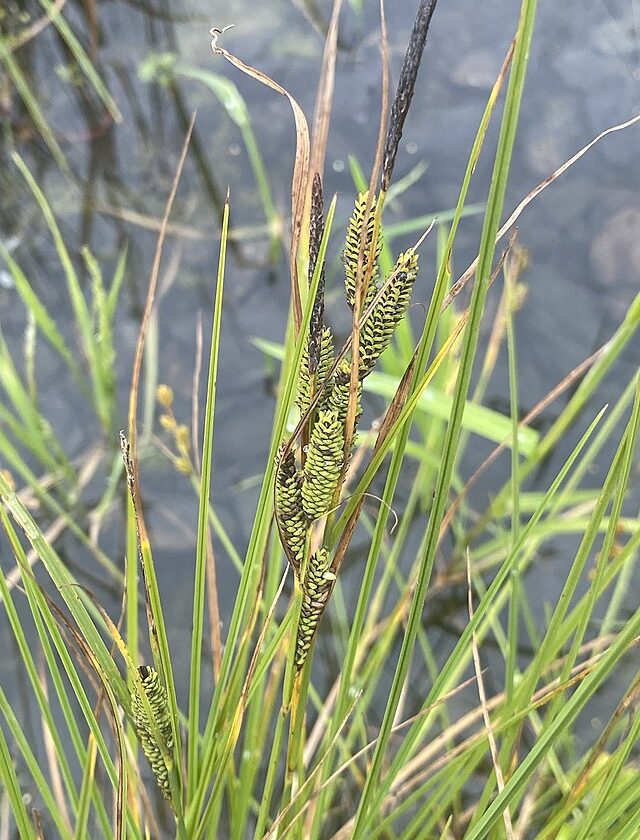
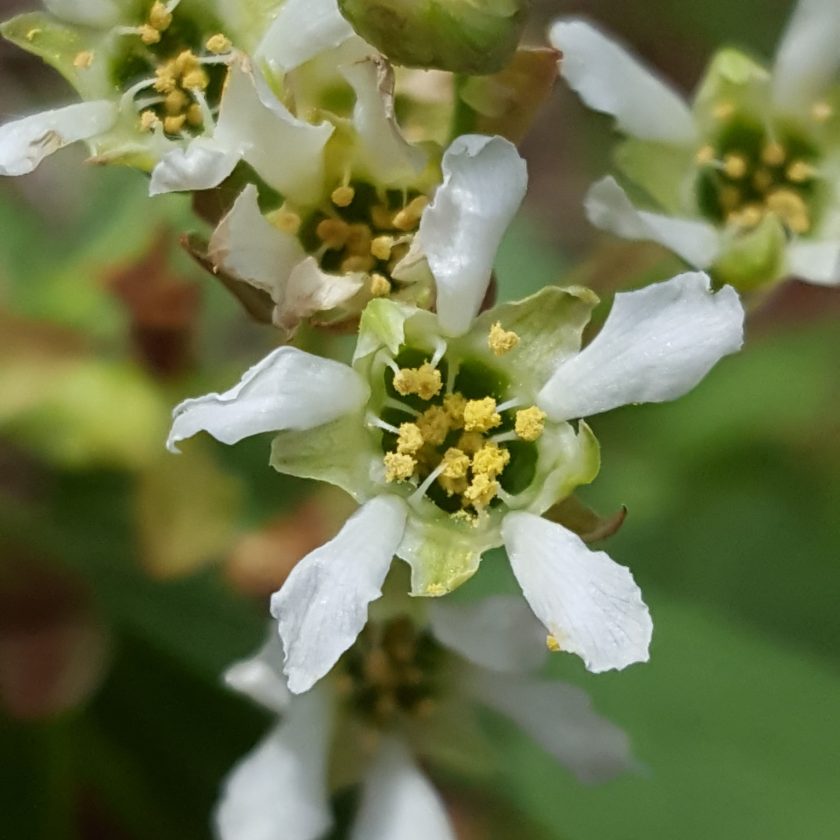
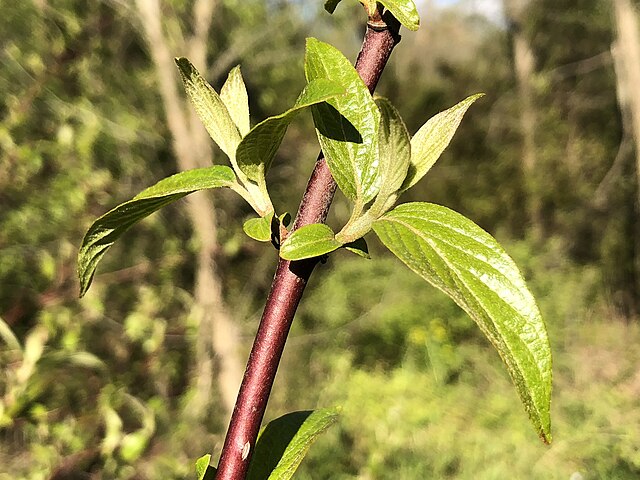
L to r: Sedges (Carex species), Osoberry (Oemleria cerasiformis), Red twig dogwood
Water-Loving Native Plants:
- Creek dogwood (Cornus sericea) – Thrives in wet areas, beautiful red stems in winter
- California rose (Rosa californica) – Tolerates wet feet, attracts pollinators
- Sedges (Carex species) – Native grass-like plants, many varieties for different conditions
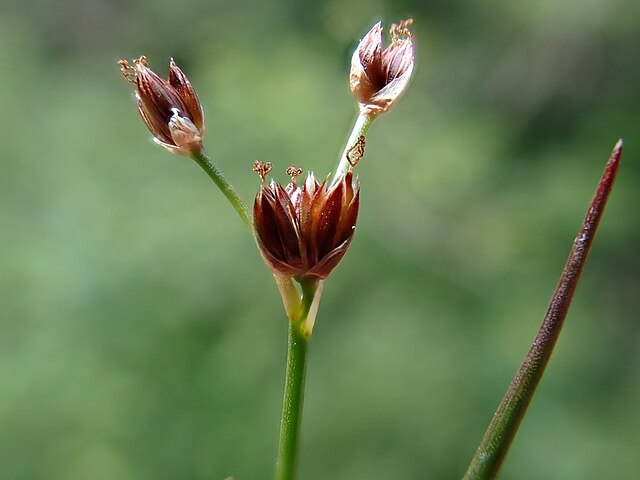
- Rushes (Juncus species) – Excellent for very wet areas, evergreen structure
- Red twig dogwood – Colorful stems, handles seasonal flooding
- Western azalea (Rhododendron occidentale) – Fragrant flowers, loves moisture
- Osoberry (Oemleria cerasiformis) – Early bloomer, good for wildlife
Redirect downspouts away from foundations and toward gardens that need water. Rain barrels capture water for dry season use while reducing the volume hitting the ground all at once.
Looking Ahead
The work you do now to manage winter water pays dividends all year. Better drainage means healthier plants, less maintenance, and soil that stays where you want it. As we move through February’s rains, take time to observe, plan, and implement solutions that work with our valley’s unique character. Your garden, and the watershed, will thank you.
Featured photo: Juncus articulatus, a flowering plant species in the rush family Juncaceae
Marielle Martin is a writer, gardener, and artist. She lives in Felton on a small farm with her family.

The San Lorenzo Valley Post is your essential guide to life in the Santa Cruz Mountains. We're dedicated to delivering the latest news, events, and stories that matter to our community. From local government to schools, from environmental issues to the arts, we're committed to providing comprehensive and unbiased coverage. We believe in the power of community journalism and strive to be a platform for diverse voices.