November Gardening in the Santa Cruz Mountains
Preparing for a Productive Winter Garden
By Marielle Martin
As the rains return and the air cools in the Santa Cruz Mountains, it’s time to turn our attention to winter gardening tasks. Most of the Valley falls within Sunset Climate Zone 15, known for mild, wet winters with the occasional light frost in valley bottoms. November is the ideal month to prepare garden beds, plant cool-season crops, and set up your plot for success through the upcoming colder months.
Building and Protecting Your Soil
Healthy soil is the foundation of your thriving garden. Start by working in compost or organic matter to improve fertility and drainage. Once the soil is amended, cover bare ground with 2–3 inches of mulch such as straw, shredded leaves, or wood chips. Mulch protects against erosion, conserves moisture, and suppresses weeds through the rainy season.
For resting beds, sow cover crops like fava beans, clover, or bell beans by mid-November. These “green manures” fix nitrogen, improve soil texture, and prevent winter weeds. It’s also a good time to test your soil pH. Most vegetables prefer a range between 6.0 and 7.0. If your soil is too acidic, consider adding lime, but test before amending.
Cool-Season Vegetables and Herbs
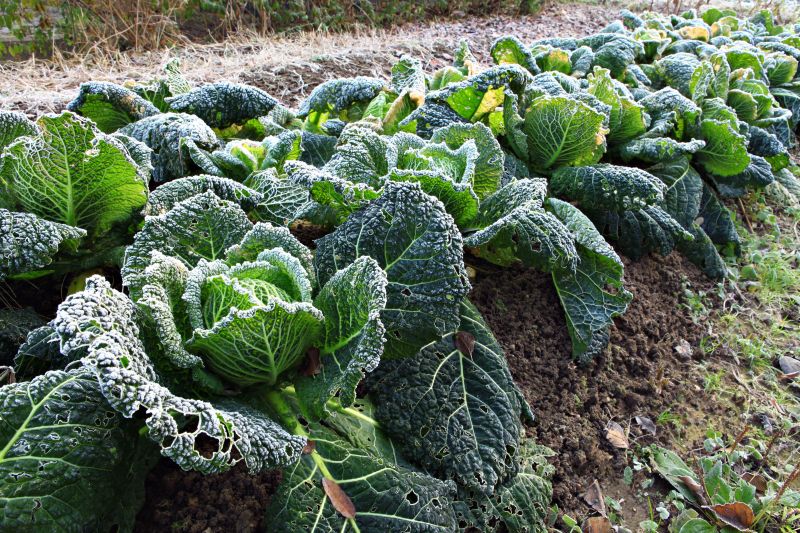
November is a great time to plant frost-hardy crops that love the cool, moist conditions of our Valley. Use row covers for extra protection in low-lying areas that occasionally frost.
Leafy greens such as kale, Swiss chard, spinach, lettuce, and mustard greens can be direct-sown or transplanted. Kale and chard actually taste sweeter after a light frost.
Root vegetables like carrots, beets, radishes, turnips, and parsnips should be sown directly into loose, well-drained soil. Thin seedlings for proper spacing once they sprout.
Among the brassicas, try broccoli, cauliflower, cabbage, Brussels sprouts, and bok choy. Transplant nursery starts now and space them 18–24 inches apart to encourage airflow and reduce disease pressure.
For legumes, peas and fava beans are ideal. Plant early November, and consider inoculating seeds with rhizobium bacteria to boost nitrogen fixation.
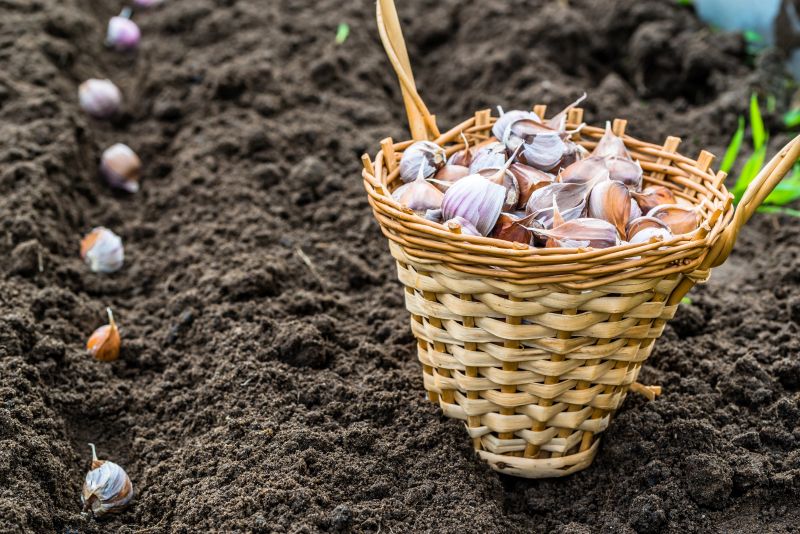
Now’s also the time to plant alliums like garlic, onions, leeks, and bunching onions. Place garlic cloves about two inches deep, pointed side up. Softneck varieties perform especially well in our relatively mild winters. (See photo at top of page.)
Finally, herbs like parsley, cilantro, dill, and chives thrive in the cool months. Cilantro in particular bolts less in cold weather, making for long-lasting harvests.
Fruit Trees, Berries, and Perennials
Many SLV gardeners enjoy late autumn harvests of kiwis, persimmons, and pomegranates. After fruiting and once leaves have dropped, prune deciduous fruit trees — such as apples and peaches — to remove dead or diseased wood. Mid-to-late November is best, before deep dormancy sets in.
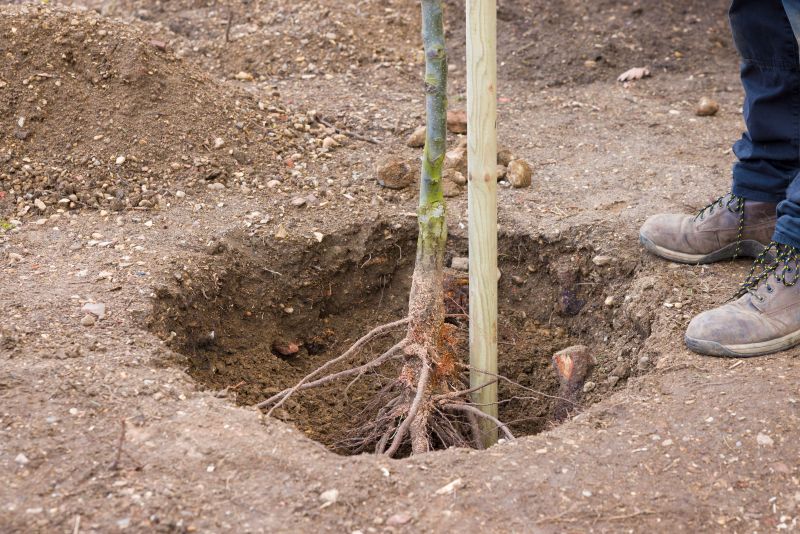
It’s also bare-root planting season. Nurseries begin stocking dormant fruit trees, plus grapes, and berries like raspberries and blueberries. Plant them now to establish roots before spring growth. When planting, dig wide, shallow holes, amend with compost, and water deeply.
Perennial grasses and flowering plants that went dormant in summer such as miscanthus, blue oat grass, or daylilies, can be lifted, divided, and replanted to rejuvenate garden beds.
Pests, Disease, and General Care
As you tidy up the garden, remove spent annuals, fallen leaves, and diseased plant material to reduce overwintering pests and fungal spores — crucial due to the Valley’s humid microclimate.
Keep an eye out for slugs, snails, and whiteflies on tender brassicas. Organic traps and barriers can help. By month’s end, apply dormant oil spray to fruit trees to smother overwintering insect eggs.
With rains returning, reduce irrigation but don’t neglect new plantings. They still need consistent moisture to get established. In frost-prone low spots, consider using hoop houses, cloches, or frost blankets to protect young transplants.
Local Gardening Resources
Visit your favorite local garden center where staff specialize in organic and climate-appropriate gardening for our area.
The UC Master Gardeners of Monterey and Santa Cruz Counties host seasonal workshops and offer a free hotline (831-759-7350) for home gardeners. Check their calendar for the workshops in or near SLV for hands-on learning tailored to local conditions. Coming up December 13: Late Fall Pruning of Perrenials and Shrubs.
With daytime highs around 60–65°F and crisp nights in the 40s, November in the San Lorenzo Valley is a rewarding time to get your hands in the soil. A little effort now will pay off with thriving winter greens and healthy soil ready for spring planting. Start small, stay curious, and enjoy the rhythm of the garden this Fall season.
Marielle Martin is a writer, gardener, and artist. She lives in Felton on a small farm with her family.

The San Lorenzo Valley Post is your essential guide to life in the Santa Cruz Mountains. We're dedicated to delivering the latest news, events, and stories that matter to our community. From local government to schools, from environmental issues to the arts, we're committed to providing comprehensive and unbiased coverage. We believe in the power of community journalism and strive to be a platform for diverse voices.