Persimmon Wine
By Tom Andersen
‘Round about January when the Hachiya (heart shaped) persimmons begin to ripen on the trees, persimmon lovers, realizing the end is near, snap into action. We’ve done about all we can do with the Fuyu (flat) ones. We’ve eaten our fill fresh from the tree; we’ve made a few – maybe more than a few dozen – cookies and a couple loaves of bread. We’ve dried a few zipper lock bags full in the old Wedgewood or a store bought dehydrator and pickled them like crazy. The rest we’ve bagged up and piled into the deep freeze.
But, as soon as we have caught our breath, the big ones (the Fuyu) are starting to soften up. Here we go again. It’s time to make the wine, which also means it’s time to get into last year’s batch – well isn’t that convenient.
Darn good wine can be made from either type. In fact, the Fuyu are probably easier to deal with, especially if they are frozen first. Freezing them really breaks down the cells helping release the juice. The Fuyu are sweet even when they aren’t squishy. The Hachiya on the other hand are miserably astringent until they are so mushy that you may think they are spoiled. At that point, they’re sweet and perfect for making the wine. Timing is everything with the Hachiya. If you wait to pick them when they are totally soft, they are probably on the ground or when you give them a pull you end up with a handful of goop. Pick them when you can pull them off. Bring them inside where it’s warm and they will slowly ripen or better yet, put a dozen or so in paper bags and close them up. Some people put a ripe apple in there too. The idea being apples produce ethylene gas which makes all fruit ripen. Bananas do it too, but I can’t seem to keep the little fruit flies out.
Check them every couple days because they can ripen pretty fast. When they are super soft, give a gob of the pulp a little taste. If it’s sweet, it’s a go. Separate the pulp from the skins and seeds. I like to put the pulp in plastic bags and freeze them until next weekend. Get out a really big pot and drop in five pounds of frozen pulp with 1¼ gallons of water. Start slow and bring it up to a boil. When it gets there add 3 pounds of sugar. Let it boil for ten minutes effectively killing off the bad guys without using chemicals. Add ¼ cup of lemon juice and let it cool to room temperature. If you want to add a yeast nutrient, here’s a cheap and easy one: dissolve half a packet of bread yeast in warm water and let it foam for an hour, then heat it up to kill them. The wine yeasts are pretty cannibalistic and go right for them. I do it occasionally, but not always and haven’t had a problem.
Sanitize a two gallon fermenter, the lid, and the airlock. Pour the mash into the fermenter from a great height (or use a sanitized whisk and whip the heck out of it to add air). Sprinkle ½ packet of a good wine yeast on top. Last year I used Lalvin K1-V1116 which surprisingly kept a good fruitiness. The year before I used Lalvin EC1118 which made so much alcohol it took away some of the fruitiness, but wow, did it ever pack a wallop!
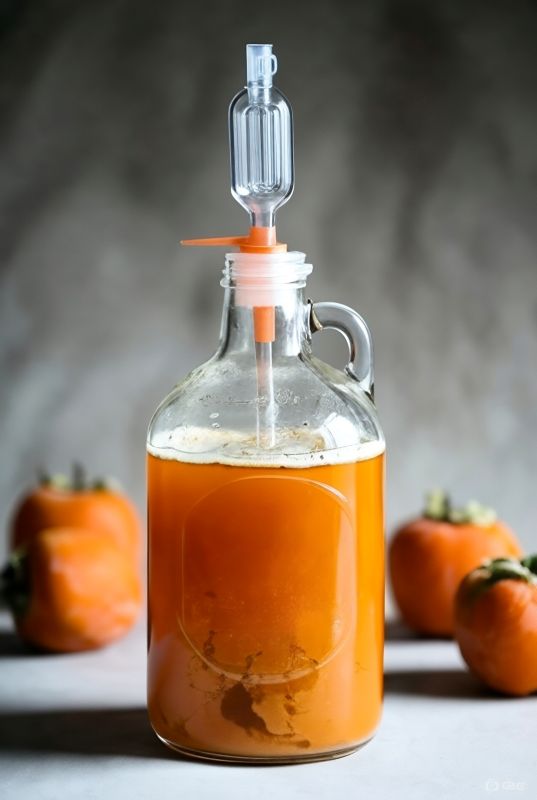
Let it ferment for two weeks then gently transfer it to a one gallon fermenter leaving as much of the dregs as possible behind – consider using these to make a fine salad vinegar. Let this ferment for at least a month or two before bottling. We want no more fermenting going on lest we blow the corks out. Make sure to sanitize the bottles and the corks or screw tops. Obviously the frugal fermenter likes to use repurposed screw tops so I don’t have to buy corks. Give them at least six months before you really get into them but it’s okay to try a little out once in a while.
Just to review
5 lbs pulp frozen for awhile
3 pounds sugar
¼ cup lemon juice
½ packet wine yeast
1 – 2 gallon fermenter with lid and airlock
1 – 1 gallon fermenter ( repurposed wine jug)
Sanitizer (iodophor or Star San)
Roughly 4 repurposed wine bottles
Patience

The San Lorenzo Valley Post is your essential guide to life in the Santa Cruz Mountains. We're dedicated to delivering the latest news, events, and stories that matter to our community. From local government to schools, from environmental issues to the arts, we're committed to providing comprehensive and unbiased coverage. We believe in the power of community journalism and strive to be a platform for diverse voices.

Thomas Andersen
Tom Andersen is a writer, cook, martial arts instructor and lifelong Felton resident. He explores the world of fermented food and drinks in print and online. Tom lives in Felton with his family and many pets. He is currently working on a cookbook about fermentation.