‘We’re Still Healing’: Six Years After CZU, SLV Water Faces a Long Rebuild
By Mary Andersen
Six years after the CZU Lightning Complex Fire, San Lorenzo Valley Water District General Manager Jason Lillion is clear about where recovery stands. “We’re still healing,” he said. “There’s still a lot of work to be done.”
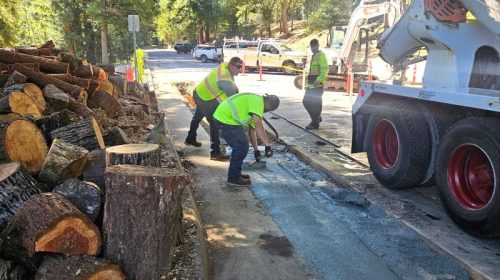
The fire destroyed roughly seven miles of raw water pipeline, including the entire 5-Mile Pipeline and its Sweetwater and Peavine legs. Peavine will be repaired and replaced first, with the Five Mile Line to follow. “Those are scars that need to be healed.”
Healing them has meant a hard trade-off. The district’s own request for proposals conceded that the fire exposed the vulnerability of above-ground installations, and the district has said it wants a more fire-resistant raw water supply. Yet the Peavine rebuild is going back in as above-ground HDPE — the fastest, most affordable option with the least watershed impact.
Asked how he squares that with the district’s stated intent, Lillion didn’t dodge. Fuel breaks and similar measures reduce exposure, he said, but only so far. “You do everything that you can do to minimize exposure. But at the end of the day, the district can’t afford a $60 million pipeline for one intake.”
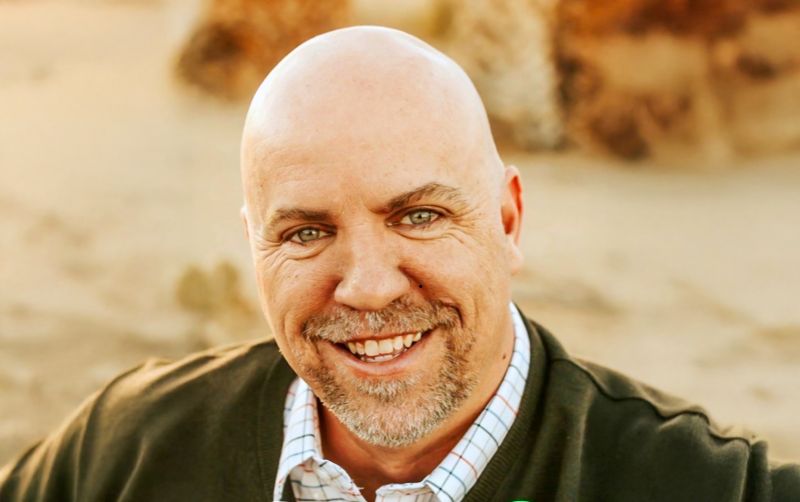
Jason Lillion, General Manager at the San Lorenzo Valley Water District
The money behind the rebuild
The county’s struggles with federal disaster reimbursement are well documented, and the water district is navigating the same system. CalOES “has been decent to work with, but FEMA definitely has a backlog,” Lillion said — a pattern he sees across federal agencies.
Ratepayers have not absorbed much of that gap, he said. The district is financing repairs with money it borrowed in 2016 and expects reimbursement as work is submitted, helped by a staff member assigned specifically to the claims. “We’ve seen that good uptick from her work.”
The $5 million fire recovery surcharge has ended. Lillion said that the threshold has been met and the charge will soon come off customer bills.
The fire also reshaped how the district builds. Hardened tanks, tougher standards and defensible space are now baseline, along with pipelines sized to help fight house fires.
A laundry list of capital work
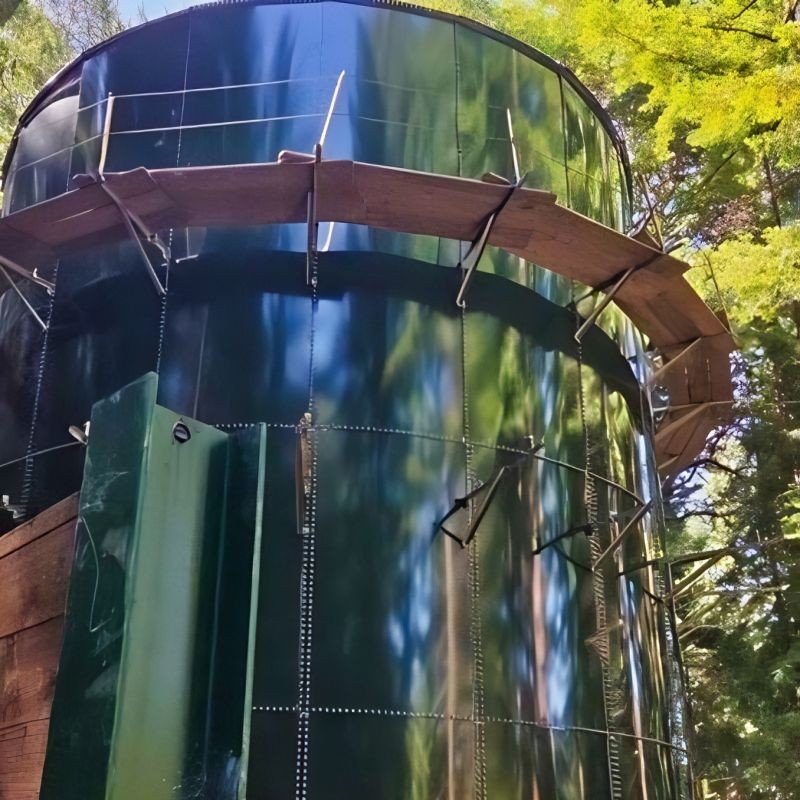
When the board recruited Lillion, it anticipated more than $100 million in capital projects over five to six years. Much of that is now moving. Tanks at Highland, Echo and Redwood Park are being rebuilt, two bridge projects are under construction and two street projects are queued behind them. The grant-funded Highland tank, nearly complete, replaces an aging 60,000-gallon redwood tank with a 125,000-gallon steel one. Those three lead a commitment to replace a dozen aging tanks, and the engineering and operations committee recently discussed adding two more toward Felton.
Paying for it remains the open question. Rate increases run through fiscal year 2028, and Lillion expects the district will need to revisit its structure after that. It is weighing alternatives including “analyzing rates, and comparing capital needs — trying to make sure the rate payers money is going as far as it can before we do the next Proposition 218.”
Grant funding, he added, turns on demographics rather than district size. “We’re not wealthy enough just to do it ourselves, and we’re not poor enough that the state wants to come in and help a lot.”
On supply, he is optimistic. Once the Peavine and 5-Mile intakes are back online, the district can shift most use to surface water and ease pressure on groundwater — meaningful given its obligations under the Santa Margarita Groundwater Agency regulatory controls. Residents, he said, “have been doing a phenomenal job in conservation.”
Big Basin proposed consolidation update
In an Aug. 6 letter to Big Basin Water Company customers, Lillion gave a frank assessment of the proposed consolidation. The board has sent a Letter of Intent to the State Water Resources Control Board and hired Sanbell Engineering to evaluate the BBWC system and produce 90% design drawings and a cost analysis.
But the letter stresses limits: it commits no one to consolidation, creates no binding obligation or timeline, and does not resolve who pays for BBWC’s upgrades. District policy bars any consolidation subsidized by SLVWD ratepayers. “Consolidation depends completely on State funding,” the letter reads. The court-appointed receiver must also file a Letter of Intent, and any final deal requires a public board vote and possible LAFCO review.
Sign up for our newsletter to stay connected to news and events in the Santa Cruz Mountains.

The San Lorenzo Valley Post is your essential guide to life in the Santa Cruz Mountains. We're dedicated to delivering the latest news, events, and stories that matter to our community. From local government to schools, from environmental issues to the arts, we're committed to providing comprehensive and unbiased coverage. We believe in the power of community journalism and strive to be a platform for diverse voices.