End of the Road for Santa Cruz County’s Roadside Call Boxes
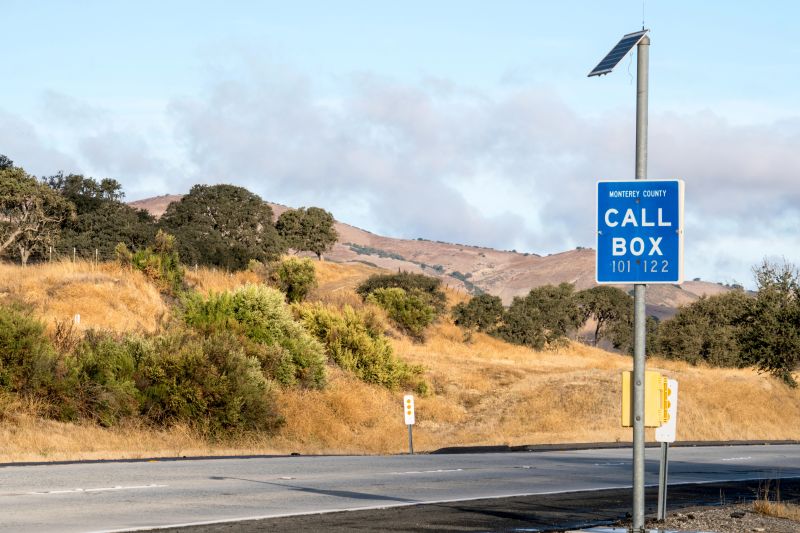
If you’ve ever driven Highway 17 and noticed those little yellow boxes on poles along the shoulder, you may have wondered whether anyone still uses them. As of now, the answer is officially no. Santa Cruz County has decommissioned its entire roadside call box network.
A brief history of roadside call boxes
Emergency call boxes first appeared along California highways in the 1970s and expanded rapidly through the 1980s and 1990s. At their peak, California’s freeway and highway call box network was one of the largest in the country, with tens of thousands of units statewide. The boxes were managed by regional transportation agencies and designed to give stranded motorists a direct lifeline to highway patrol and emergency services at a time when car phones were rare luxuries.
In Santa Cruz County, the Regional Transportation Commission (RTC) oversaw 70 call boxes spread across five major routes — SR-1 (the coastal highway), SR-9 (the scenic route through the San Lorenzo Valley), SR-17 (the busy commuter corridor over the Santa Cruz Mountains), SR-129, and SR-152. For decades, these boxes were a genuine safety net for drivers who broke down in remote stretches with no other way to call for help.
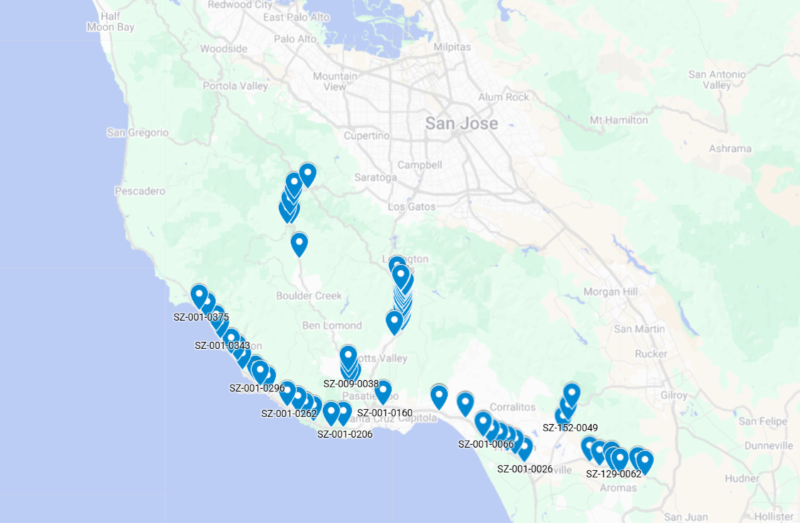
Call box locations decommissioned
Why they’re going away
By the mid-2000s, mobile phone ownership had become nearly universal, and call box usage began a long, steady decline. Statewide, calls made from highway call boxes dropped by more than 90% over two decades. In Santa Cruz County, improved cellular infrastructure, including coverage in previously dead-zone areas like parts of Highway 17, made the boxes increasingly redundant.
At the same time, maintenance costs didn’t decline with usage. Each box requires regular inspection, battery replacement, and vandalism repairs. When the math no longer added up, the RTC made the practical call to shut the system down.
- What this means for drivers
The boxes are no longer operational and should not be used. If you’re stranded or witness an emergency on any Santa Cruz County road, call 911. That remains the fastest and most reliable way to reach help. Most stretches of the affected highways now have sufficient cell coverage to make a call, though drivers heading into remote areas may still want to plan accordingly.
The call box era isn’t over everywhere, as some counties and urban freeway systems still maintain active networks. But for Santa Cruz, those call boxes are now just roadside history.

The San Lorenzo Valley Post is your essential guide to life in the Santa Cruz Mountains. We're dedicated to delivering the latest news, events, and stories that matter to our community. From local government to schools, from environmental issues to the arts, we're committed to providing comprehensive and unbiased coverage. We believe in the power of community journalism and strive to be a platform for diverse voices.