The Indoor Winter Herb Garden
By Bridget Giuffrida
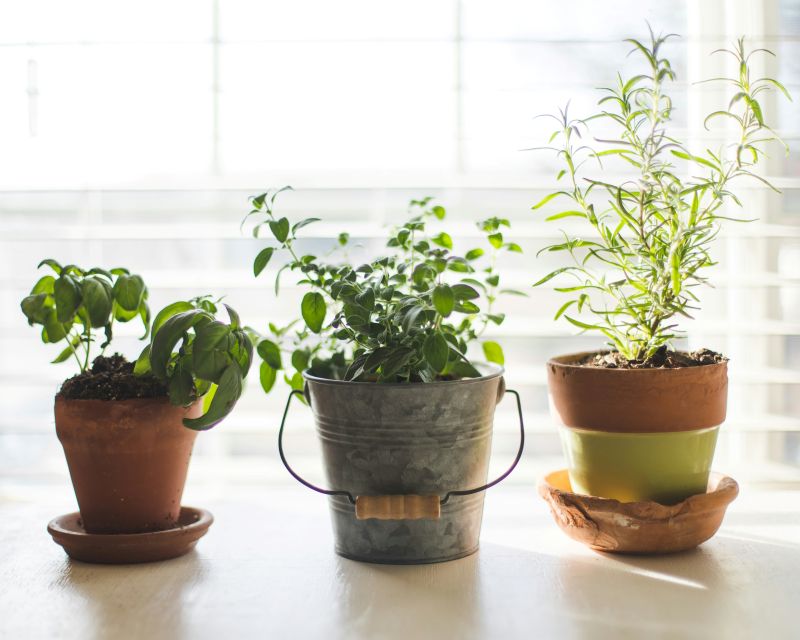
Now is a beautiful time of year to lean into cozy, fragrant, hard-working herbs that thrive indoors and bring warmth, nourishment, and a sense of tradition to winter living. Growing herbs inside during the darkest time of year offers not only fresh flavor for cooking and baking but also living greenery for decorating and simple homestead joy. A sunny windowsill can become a small apothecary, kitchen garden, and creative space all at once.
Rosemary is one of the most beloved winter herbs to grow indoors. Evergreen and deeply aromatic, it brings brightness to roasted vegetables, stews, breads, and infused oils, while also shining in baking projects like rosemary shortbread or olive oil cake. Clipped sprigs can be tied into small wreaths, used as table décor, or added to simmer pots. Medicinally, rosemary is stimulating and clarifying, traditionally used for circulation, memory, and scalp care in simple hair rinses.
Thyme is compact, productive, and perfectly suited for winter kitchens. It adds depth to soups, beans, poultry, and roasted roots, and works beautifully in savory baking such as biscuits, scones, and focaccia. Thyme can be dried in small bundles for décor or pressed into winter herb art. As a medicinal herb, thyme has a long history of use for respiratory support and immune health, making it especially appropriate for January wellness.
Sage brings grounding energy and soft, silvery beauty to indoor herb gardens. In the kitchen, it flavors stuffing, beans, squash, and browned butter sauces, and lends itself well to savory breads and crackers. Dried sage bundles are lovely for winter décor and traditional smoke cleansing practices. Medicinally, sage is valued for supporting digestion, soothing sore throats, and gently drying excess dampness in the body.
Parsley is a bright, nutrient-dense herb that helps balance the heavier foods of winter. It thrives indoors with consistent moisture and adds freshness to soups, salads, pestos, and stocks. Parsley also plays a role in savory pastry fillings and acts as a living green accent on the kitchen sill. Traditionally, parsley is used as a mineral-rich tonic herb, supporting gentle daily nourishment.
Chives are cheerful, easy, and endlessly useful indoors. Their fresh onion flavor elevates eggs, potatoes, soups, and savory baked goods like muffins and biscuits. Even when not flowering, they offer lively green contrast during winter months. Medicinally, chives share mild digestive and circulatory benefits with other alliums.
Mint, when kept contained in its own pot, is a welcome winter companion. It brings lift and freshness to teas, sauces, and chocolate-based baked treats, while also serving as a fragrant addition to simmer pots or dried garlands. Medicinally, mint supports digestion, eases tension, and it offers gentle respiratory relief during cold months.
Bay laurel, grown as a small indoor tree, is slow-growing, elegant, and deeply traditional. Its leaves flavor stocks, beans, and stews, and the plant itself can be used as a living decorative element or the base for simple wreaths. Drying your own bay leaves is a satisfying homesteading ritual, and bay has long been associated with protection, digestion, and warming energy.
For added medicinal value, lemon balm and chamomile are wonderful indoor winter herbs. Lemon balm grows happily in pots and can be used fresh or dried for calming teas, uplifting the nervous system during darker months. Chamomile, though smaller and slower indoors, offers delicate flowers for soothing teas, herbal baths, and gentle skincare, bringing a sense of comfort and calm to January routines.
Together, these indoor herbs invite slow living and creative winter projects: making herb salts and butters, baking herbal breads, blending simmer pot mixes, crafting mini wreaths, drying herbs for apothecary jars, and sharing simple herbal rituals with family. Even in the heart of winter, a windowsill garden keeps the kitchen alive, fragrant, and full of quiet medicine.
Be happy, be well.
Have a story or photos to share? The San Lorenzo Valley Post welcomes your Santa Cruz Mountains news, story ideas, photos, and letters. Send us an email.
Sign up for our newsletter to stay connected to news and events in the Santa Cruz Mountains.

Bridget Giuffrida
Bridget Giuffridais the founder of Sweet Herb Medicinals, a culinary and wellness initiative dedicated to promoting health through the power of food and herbs. A skilled herbalist and passionate cook, Bridget merges her culinary expertise with her extensive knowledge of herbal medicine to create a unique platform focused on holistic wellness.